
ABOUT THE SYMPOSIUM
The annual Symposium on Substance Use Research (SOSUR) focuses on leveraging research, knowledge, and insight on substance use from across the country. This year's virtual event will include pre-conference workshops (November 2) with expert keynotes, panel discussions, and research presentations (November 4-5) covering a wide variety of substance use topics (see agenda below). SOSUR is free and open to the public.
We are now accepting abstracts for short research presentations and the rapid-fire poster session. View the call for abstracts and submit using the button below.
Register for the Symposium View Call for Abstracts Contact Us Agenda
2026 SOSUR CO-HOSTS


PRE-CONFERENCE WORKSHOP: MONDAY, NOVEMBER 2, 2026
9:00AM – 10:00AM CT (10:00AM - 11:00AM ET)
Pre-Conference Workshop 1:
Beyond the Protocol: Practical Coordinator Skills for SUD Clinical Research

Meghan Reeves
Director, IDeA State Consortium for Clinical Research Resource Center (ISCORE-RC), West Virginia University

Lacey Kelley
Clinical Research Nurse, West Virginia University
12:00PM - 1:30PM CT (1:00PM - 2:30PM ET)
Pre-Conference Workshop 2:
A Primer on the State of the Art in Ecological Momentary Assessment and Just-In-Time Behavioral Interventions

Bilal Khan
Professor, Lehigh University Health Data Warehouse
DAY ONE: WEDNESDAY, NOVEMBER 4, 2026
DAY ONE: WEDNESDAY, NOVEMBER 4, 2026
9:00am – 10:00am CT (10:00am - 11:00am ET)
Keynote 1: From Prediction to Process: Rethinking Substance Use Through Dynamic Behavioral States

Brenda Curtis, PhD
Dr. Brenda Curtis is a Senior Investigator in the Translational Addiction Medicine Branch at the NIDA Intramural Research Program, where she leads a research section focused on advancing technology-enabled approaches to substance use and recovery.
In this talk, Dr. Curtis will present a framework that conceptualizes substance use and recovery as dynamic transitions between latent behavioral states, inferred from real-world data streams including language, mobile sensing, and digital phenotyping. Drawing on recent work integrating AI and intensive longitudinal data, it outlines how state-aware models can enable more precise, adaptive, and scalable interventions.
10:30am - 11:30am CT (11:30am - 12:30pm ET)
Panel 1: Cannabis and THC in the Age of Continued Legalization
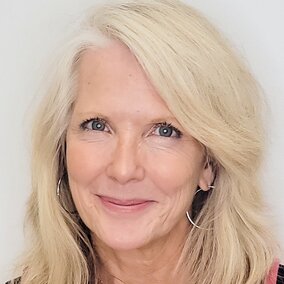
Margaret Haney
Professor of Neurobiology, Columbia University Irving Medical Center

Daniele Piomelli
Distinguished Professor, University of California, Irvine
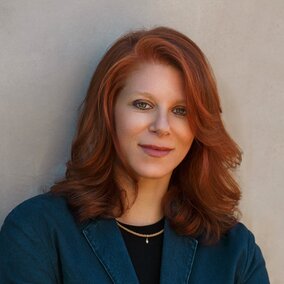
Staci Gruber
Director, Cognitive and Clinical Neuroimaing Core & Marijuana Investigations for Neuroscientific Discovery (MIND); Associate Professor of Psychiatry, McLean Hospital/Harvard Medical School
Wesley Raup-Konsavage
Assistant Professor, Penn State University - College of Medicine

Patrick Habecker
Research Assistant Professor, University of Nebraska-Lincoln
12:30pm - 1:30pm CT (1:30pm - 2:30pm ET)
Short Research Presentations 1
This session will feature research presentations, 10-minutes each, on various topics relating to substance use.
2:00pm - 3:00pm CT (3:00pm - 4:00pm ET)
Short Research Presentations 2
This session will feature research presentations, 10-minutes each, on various topics relating to substance use.
DAY TWO: THURSDAY, NOVEMBER 5, 2026
DAY TWO: THURSDAY, NOVEMBER 5, 2026
9:00am – 10:00am CT (10:00am - 11:00am ET)
Keynote 2: How Well Do Models for Substance Use Disorder Fit for Behavioral Addictions?

Marc Potenza, PhD
Dr. Potenza is the Stephen M. Southwick Professor of Psychiatry, Professor in the Child Study Center and Neuroscience at the Yale School of Medicine, and he directs the Division on Addictions, Center of Excellence in Gambling Research, Women and Addictive Disorders Core of Women's Health Research at Yale and Yale Research Program on Impulsivity and Impulse Control Disorders.
In this talk, Dr. Potenza will present prominent models of substance and behavioral addictions, describe shared and unique elements of substance and behavioral addictions, and consider implications for prevention, treatment and regulatory policies.
10:30am - 11:30am CT (11:30pm - 12:30pm ET)
Rapid-Fire Poster Session
This will be an energetic, fast-paced session showcasing a multitude of projects in substance use research.
1:00pm - 2:00pm CT (2:00pm - 3:00pm ET)
Panel 2: Tools that Travel: Transforming Substance Use Treatment and Research
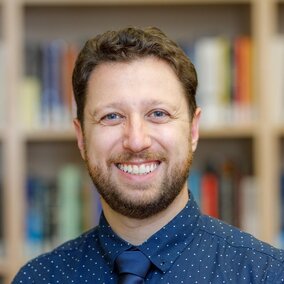
Alex Sokolovsky
Assistant Professor, Brown University
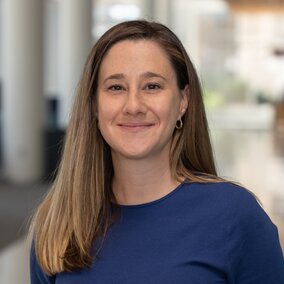
Stephanie Carreiro
Vice Chair of Research and Associate Professor of Emergency Medicine, University of Massachusetts Chan Medical School
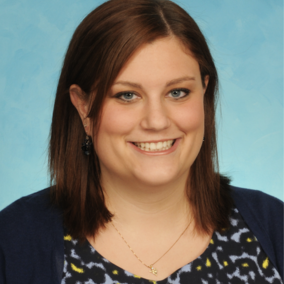
Sheena Sayres
State Opioid Response Program Director, West Virginia University Department of Behavioral Medicine & Psychiatry
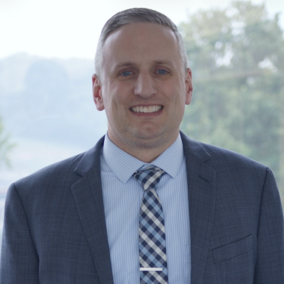
Jay Mason
Director, Community Programs and Project ECHO, WV Clinical and Translational Science Institute

G. Lucy Wilkening
Clinical Associate Professor, Idaho State University College of Pharmacy
This event is supported by the Rural Drug Addiction Research COBRE at the University of Nebraska-Lincoln [P20GM130461], the COBRE on Opioids and Overdose at Rhode Island Hospital [P20GM125507], the West Virginia Clinical and Translational Science Institute [5U54GM104942], the WV-INBRE at Marshall University [P20GM103434], the COBRE Center for Addiction and Disease Risk Exacerbation at Brown University [P20GM130414], and the Healthy Idaho Clinical and Translational Research (CTR-D) Program [P20GM155898]. All are funded by the National Institute of General Medical Sciences of the National Institutes of Health.
This content is solely the responsibility of the authors and does not necessarily represent the official views of the National Institutes of Health.